A new generation of lights - Part 3: The game-changer — What only the L600C can do
Written by: Jake Hicks

London-based editorial and fashion photographer Jake Hicks has built his reputation on one obsession: bold, vibrant studio portraiture created entirely in-camera.
Pre-vintage… Relics?
Ready to feel really old? Believe it or not, there are young adults today who not only don’t know the difference between an A to Z and a yellow Pages but also refer to early 2000s digital cameras as ‘vintage’.
If you recall, there was a brief window in time when point-and-shoot digital cameras took over from analogue film cameras. It was a digital gold rush, with camera manufacturers like Sony, Nikon, and Canon leapfrogging one another with their latest releases. Every few months, a new model would hit the market, each one touting more megapixels, more digital zoom and larger screens than their competitors. Of course, this all but came to a grinding halt when Apple announced the iPhone in 2007.
Steve Jobs put a camera in everyone’s pocket almost overnight, and with it, the battle for consumer-level pocket digital cameras lost its momentum. It’s this fleeting window in time when digital point-and-shoot cameras were in the limelight, and, shockingly, it’s these early digital cameras that the TikTok generation now refers to as ‘vintage cameras’. Thankfully, you and I know differently. We know that the real vintage cameras are the ones that aren’t digital at all. The real vintage cameras are the ones that took almost infinite patience, a lot of confusion and tears, and most of all, an awful lot of money wasted on film.
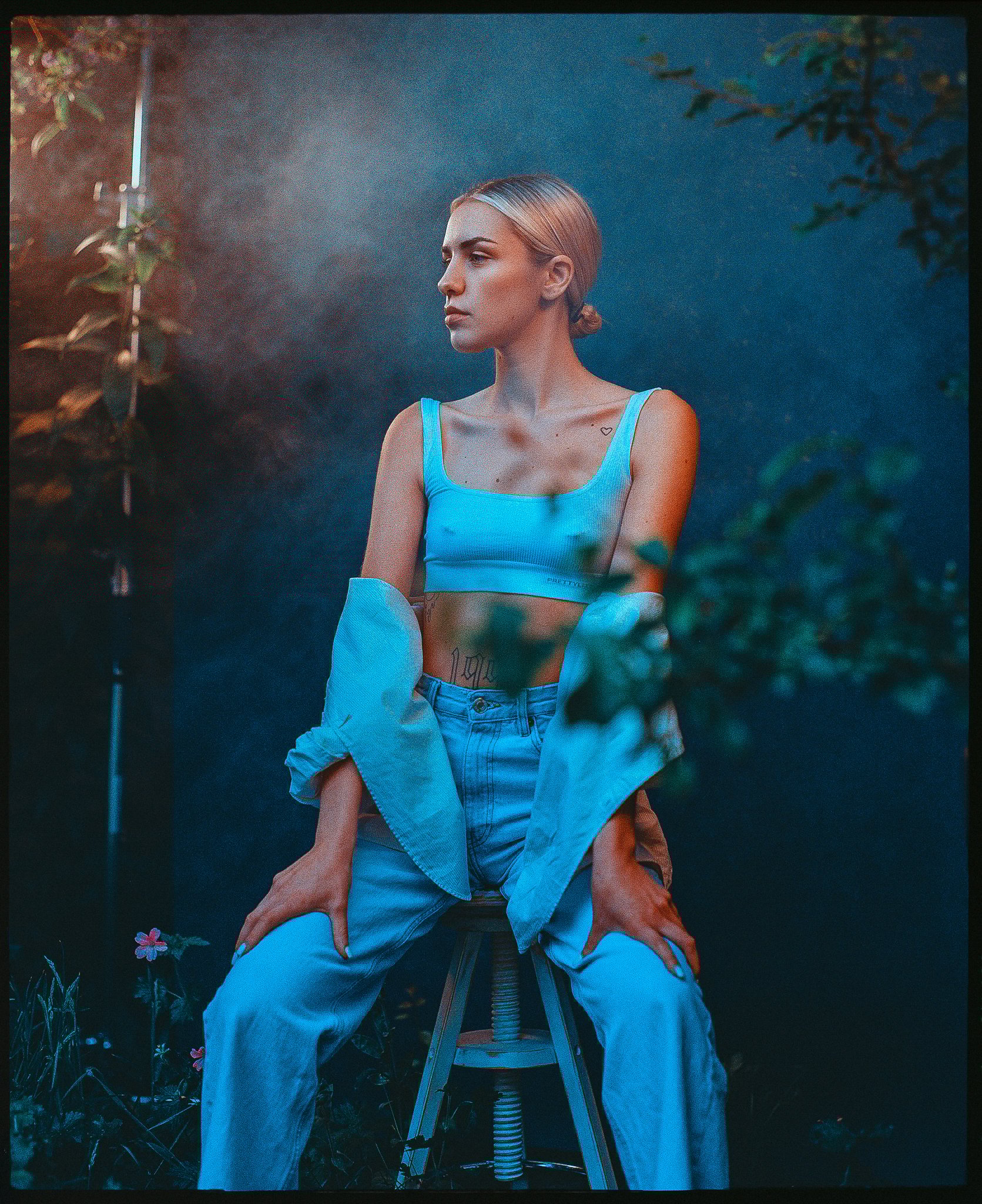
Portrait captured with the ‘vintage’ Pentax 6×7 from the 1970s, on Kodak Portra 100. This image was taken outdoors with 2 LED lights, and thanks to LED lights no longer needing to sync with our cameras, it’s never been easier to shoot analogue film portraits.
So, with all that in mind, I’m sure you’ll all be overjoyed to hear that it’s now once again time to gird your wallets in preparation for the new analogue resurgence thanks to LEDs. That’s right, now that LED lights are powerful enough, we can use them with our old vintage cameras without the excuse that we can’t sync our strobes to the old tech! You’re welcome.
Joking aside, I have genuinely been enjoying shooting with some of my old film cameras again, thanks to LED lighting. No, syncing flashes to old cameras wasn’t impossible, but even with the old leaf shutters, plenty of misfires happened, and if you recall, every misfire cost you money. LEDs have thankfully made my film photography far more consistent and, dare I say it, far more enjoyable.
The best of both
Much of what I’ve discussed above highlights some extremely functional benefits to working with LEDs. Some of them are truly unique to LEDs in general, but there is one final feature found only on this brand-new Profoto L600C LED light.
It’s a truly remarkable feature and one that has the potential to be fundamentally game-changing to photography.
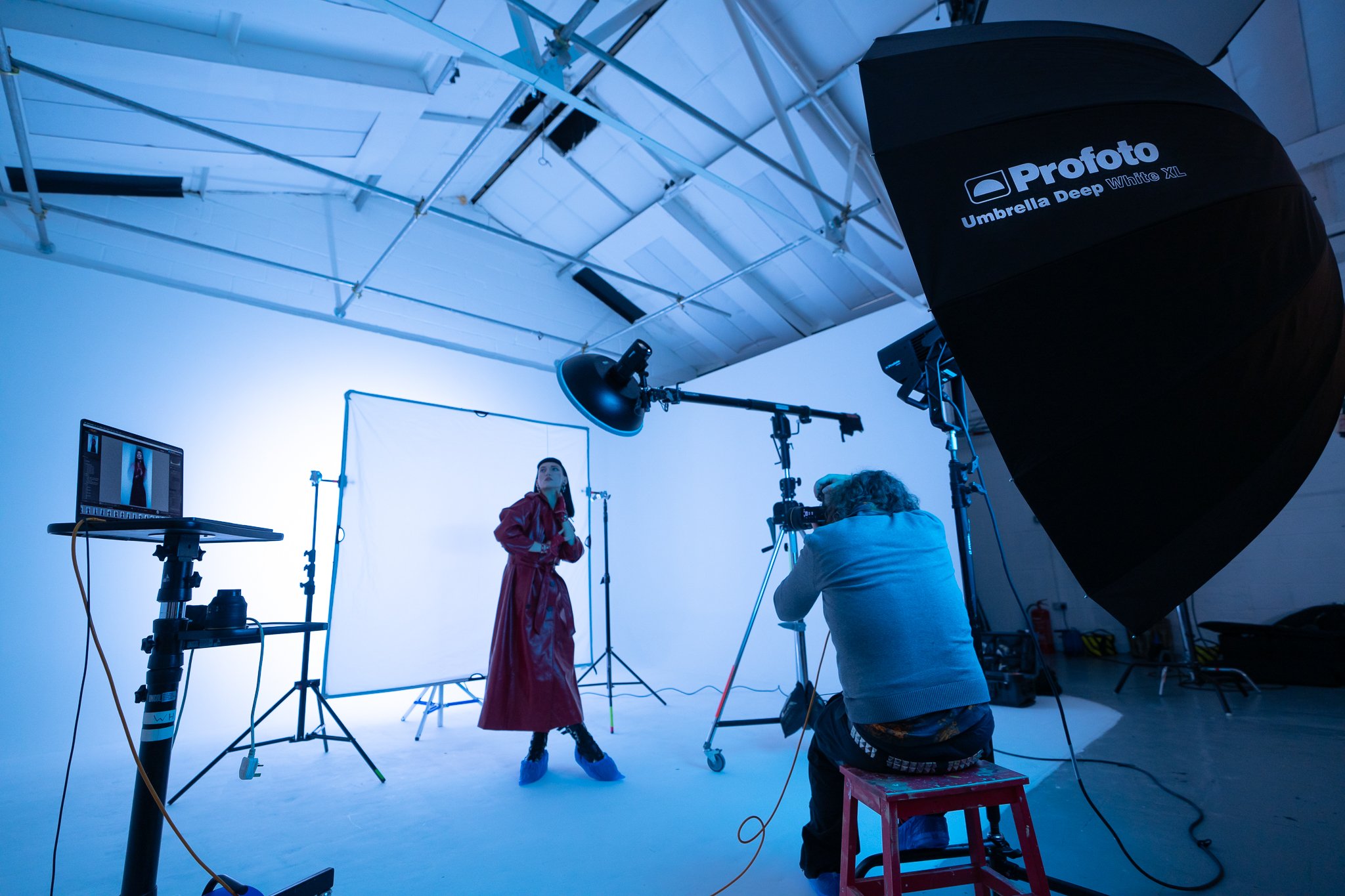
The L600C can flash
At first, it may not make sense as to why I think this is such a big deal. After all, I’ve just spent all my time up until this point telling you that you no longer need flash, only to turn around and tell you that flash is a game-changer.
To be clear, the Profoto L600D can flash as well; it’s just that it only flashes in its vast kelvin range. It’s the L600C that can flash in all 16 million+ colors, which is what makes this light so impressive. Yes, we’ve had other LED lights dabble with flash in the past, but the L600C is the only LED light in the world, to my knowledge, that can flash in full RGB and is modifiable. Yes, you can benefit from all the features I’ve listed so far, and you can do it all with any of the 100+ lighting modifiers Profoto has to offer. You want pastel colors in your beauty dish? Done. You want your extreme 15000K in a softbox? Done. You want your RGB flash in a hard light spot? Done.
Flash is far from dead, and there are still many benefits to be had from flash. Creative options like freezing motion in super crisp liquid or powder shots are still only possible with flash. The only difference now is that between the new L600C and L600D, you can have the best of both worlds. You can have all of those incredible colors and kelvin options, but you can do all of that with the flash function on these LED heads as well.
It’s worth noting that I’m using the term ‘flash’ generally here. These lights don’t contain any xenon tubes or anything; they are simply synthesizing the very short pulse of light we are familiar with seeing when using strobes. The tech and nuance of these brand-new LED pulses is an entire article in its own right, and I’ve gushed over these lights long enough already. But I will leave you with a couple of final benefits to consider before I let you go.
LED lights like the Profoto L600C are now getting very bright. So bright in fact, that it would get uncomfortable pretty quickly if you were a model sitting in front of them for extended periods at max power. The flash feature instantly negates that discomfort, as you can now have the modelling light set low while the actual image is taken with a far brighter flash (pulse). This is also useful if you’re after those larger, more flattering dilated pupils in the final image, too.
Long exposure flash photography…. all in one light!
For those familiar with my work, you’ll no doubt have seen some of my long exposure photography. The very unique and very creative process of long exposure photography has always fascinated me, as it’s one of the very few visual mediums that we can’t see with our eyes, yet we can capture it with our cameras. We can’t even capture long exposure in the same way with video.
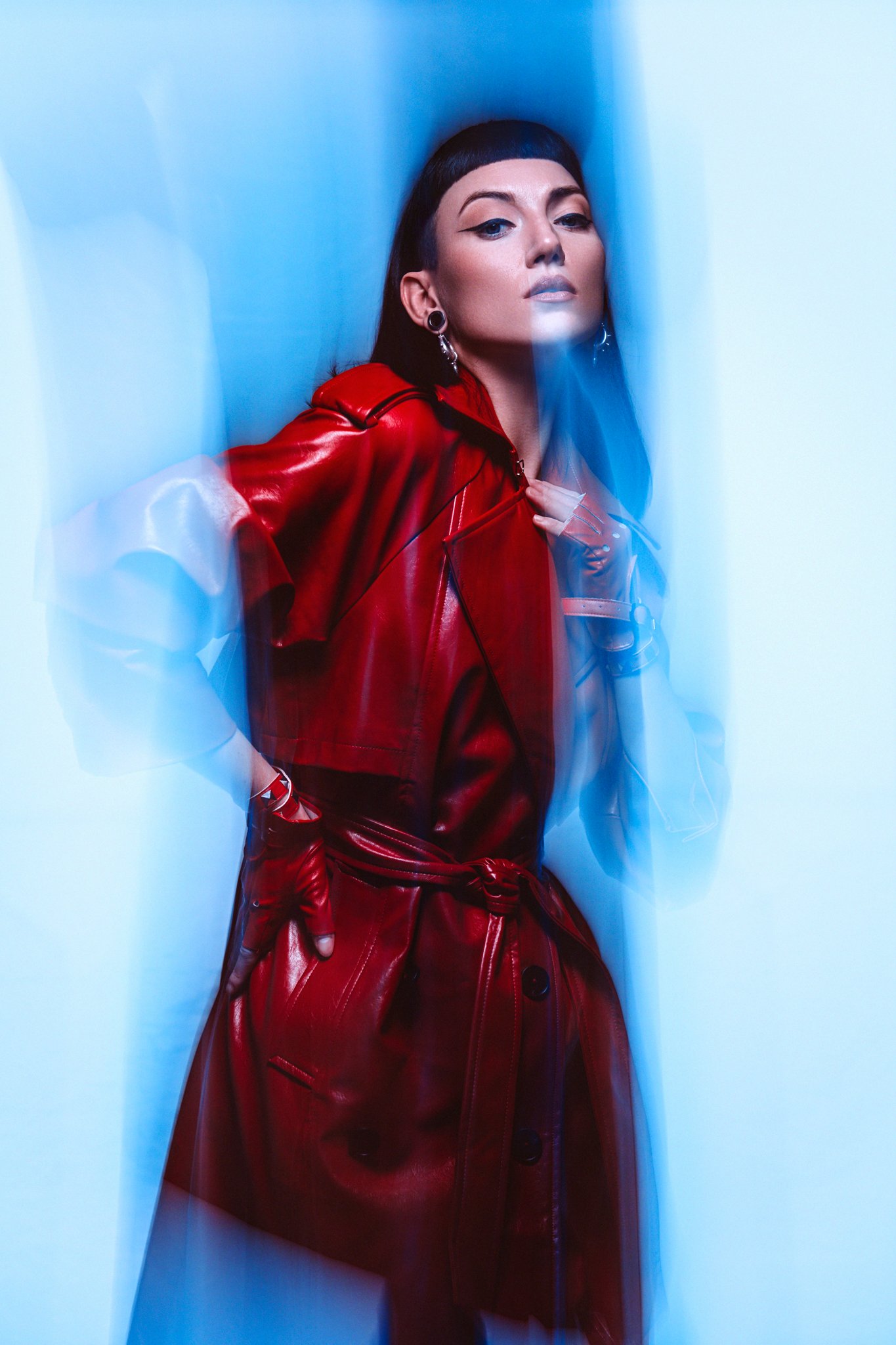
In the past, long exposure photography mixed with frozen imagery was a real pain. You often needed a great number of lights to achieve it, and you’d invariably melt a stack of colored gels in the process. Now, with the new Profoto L600Cs, you can do it all with a single light and in a single frame.
Historically, this technique was a real pain to set up, but now it’s never been easier. It’s my hope that the versatility of these incredible new lights inspires a new generation of photographers to get creative with long exposure photography once again.
So, was it worth the wait?
I mentioned at the top that Profoto are arriving pretty late to the LED party. Many other lighting manufacturers have already brought several LEDs to market, so are Profoto simply here to throw their proverbial LED hat in the ring? Are they simply making just another LED light just because everyone has?
Absolutely not. The Profoto L600C LEDs is an absolute powerhouse, and they dominate in every aspect of their class. I’ve listed many of their incredible benefits above, and I’ll list the features below for you to look at for yourself, but so much of what these lights are offering simply can’t be found anywhere else.
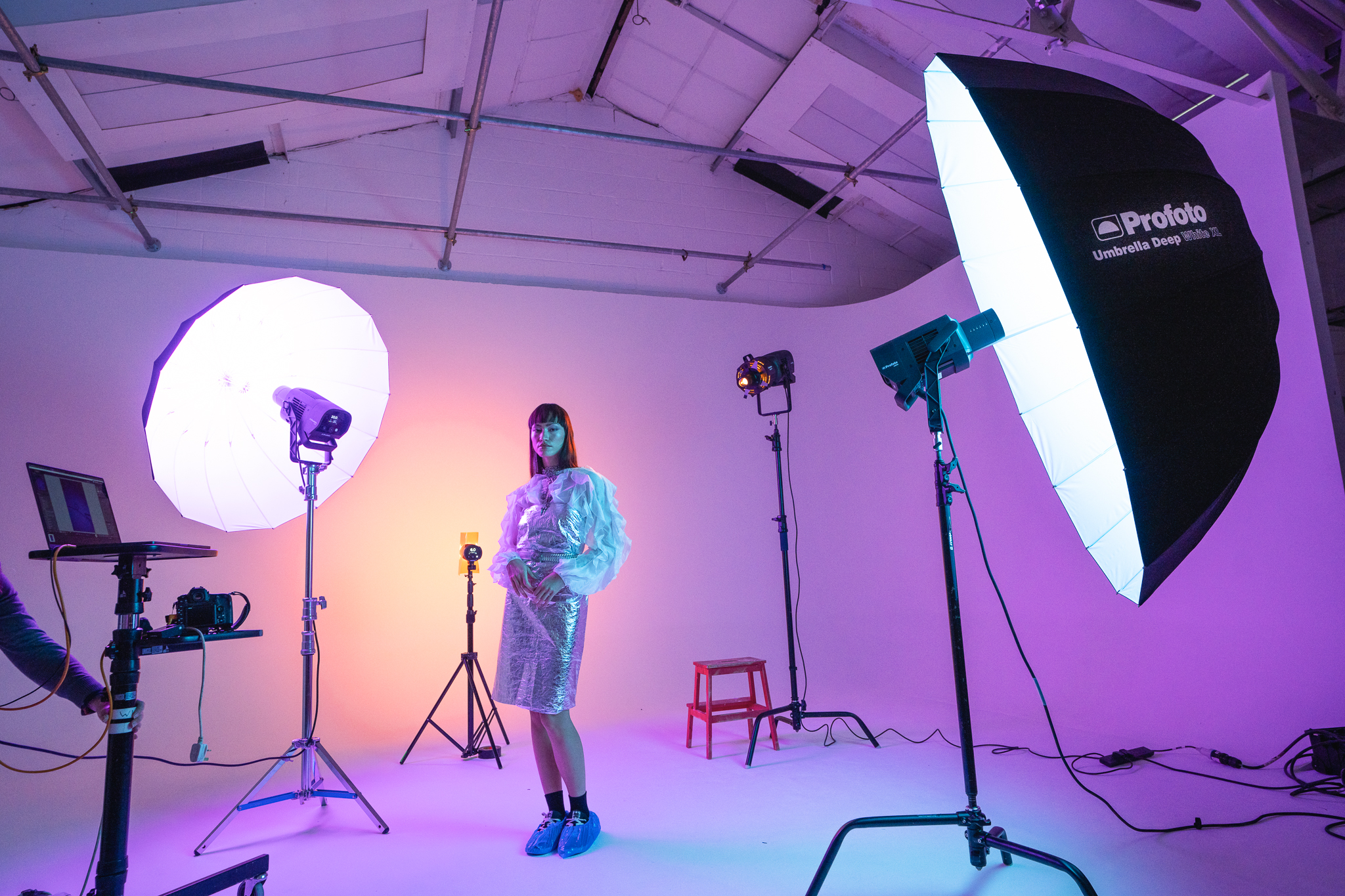
You’ll have to see which of the benefits and features resonate with yourself, but finally having the ability to flash in any imaginable color and with any lighting modifier is an absolute game-changer for me and my work. Couple that with the saturation sliders, a vast kelvin range and all from a very familiar monoblock style head with no annoying control box dangling from the stand, and I’m sold!
Jake Hicks has shot with flash since the nineties — so why is he suddenly excited about LEDs? The answer might surprise you.
Breathing portraits, Kelvin as a storytelling tool, and 16 million colors — Jake Hicks explores what LEDs let you do that flash simply can't.