Why lighting knowledge still matters in the age of AI photography with Lindsay Adler
Written by: Profoto
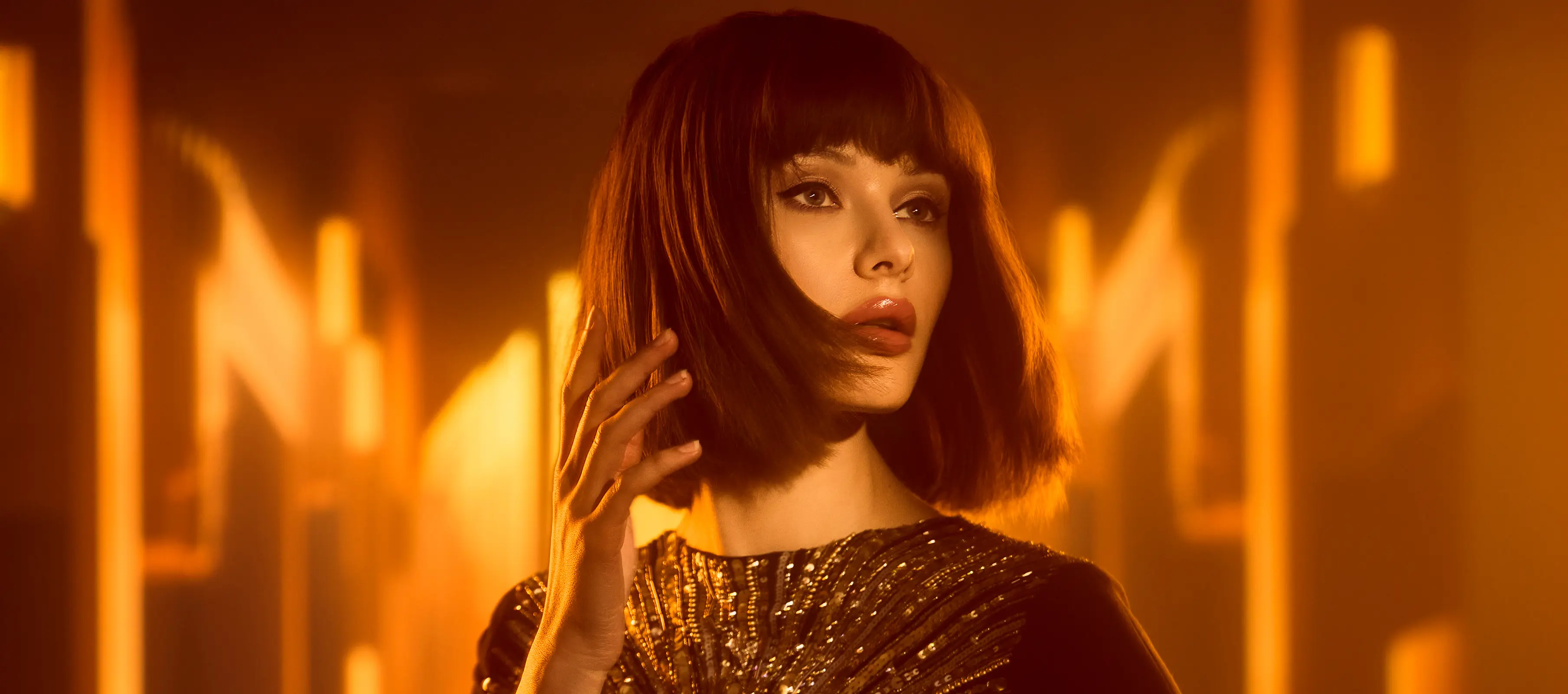
In a time when AI is reshaping the creative landscape, renowned fashion photographer Lindsay Adler is using it not to replace photography or traditional technique, but to push it further. Through a powerful three-part reel series, Lindsay shows that AI can expand possibilities, but it’s lighting that brings the image to life.
Whether building dreamlike environments, transporting subjects across the world, or refining a concept visually – her message stays the same: you must plan your light to use AI with purpose. Here's how she does it and why lighting knowledge matters more than ever.
Using AI is a creative tool, not a crutch
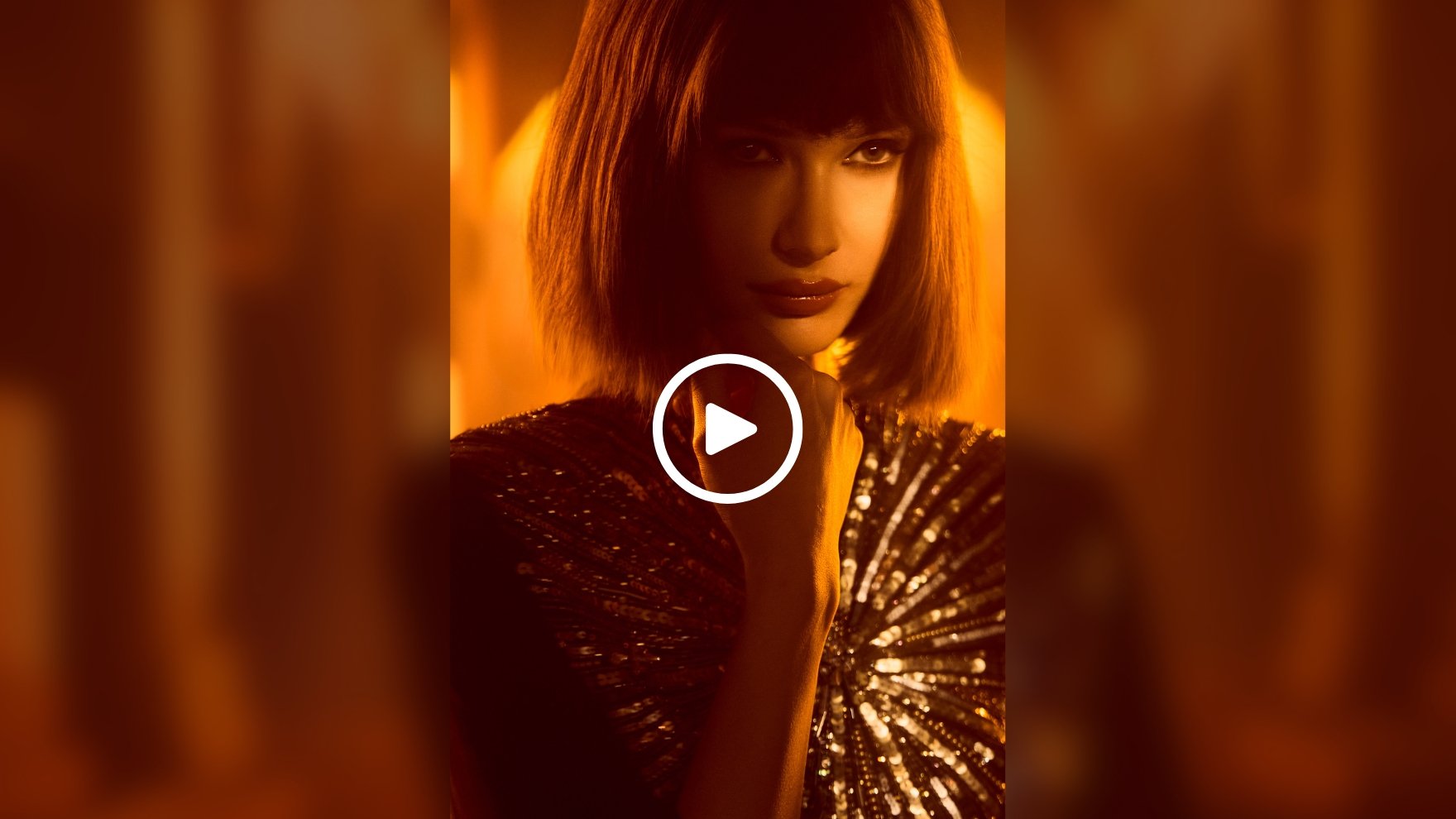
Lindsay’s first reel highlights a common misconception: that AI can do it all. “If AI makes all the decisions,” she says, “you lose your voice as an artist.”
Instead, she uses AI to create a digital background, then she projects onto a white wall behind her subject. This keeps the capture rooted in real photography – the subject and lighting are entirely genuine while AI simply provides a backdrop.
To make it work, Lindsay lit the subject with intention. If the lighting didn’t the projected scene match? “The shot falls apart.”
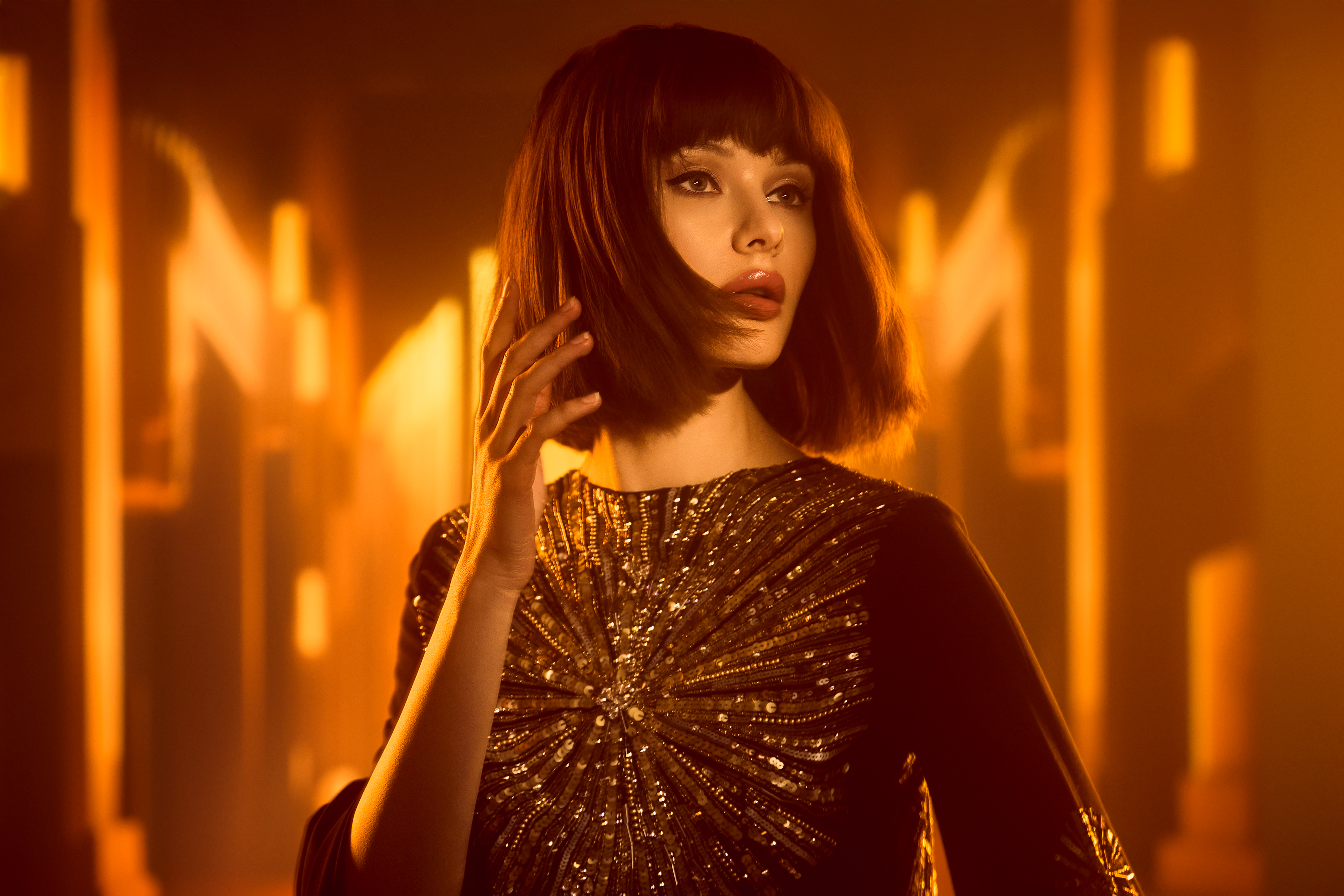 Photo: Lindsay Adler
Lighting is the bridge between concept and believability. To use AI with purpose, you still need to know how to shape light – direction, softness, shadow, and color to make it feel real. For this setup, Lindsay leaned on Profoto’s precise, consistent flash output of the Pro-D3 to match the AI scene convincingly, proving that it’s real light that convinces the eye.
“You lead with concept and lighting. AI supports the vision, not the other way around.”
Studying light for seamless composites
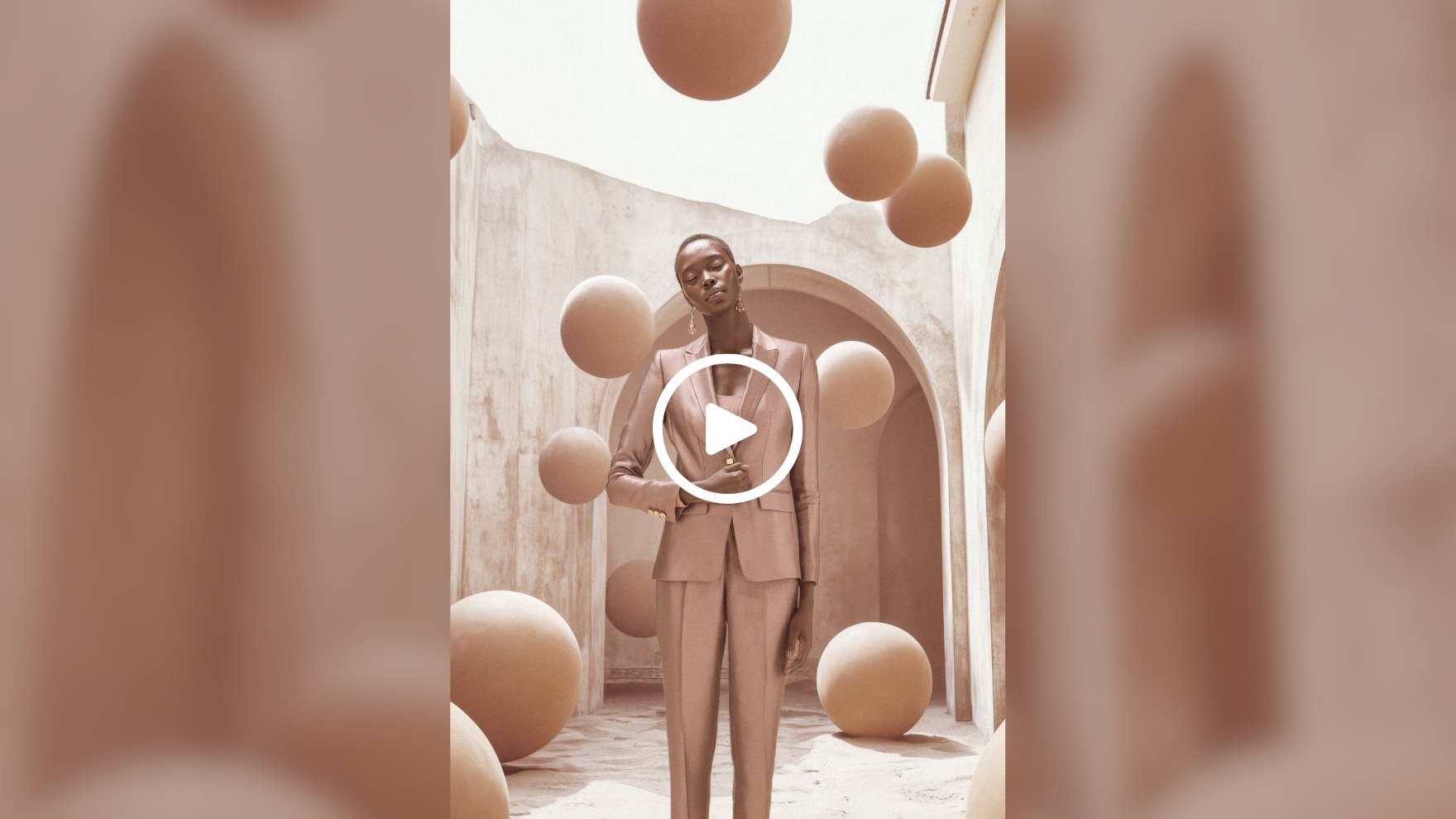
In the second reel, Lindsay explores building entire environments using AI, starting by prompting a scene with some lighting direction. Once the AI environment is generated, she then analyzes the light in the result before bringing it into her studio workflow. compositing her subject into them.
But for the composite to work, she studies the light in the AI scene carefully:
- Where’s the light coming from?
- Is it soft or hard?
- What’s the shadow depth?
- Is the color temperature warm, cool, or playful?
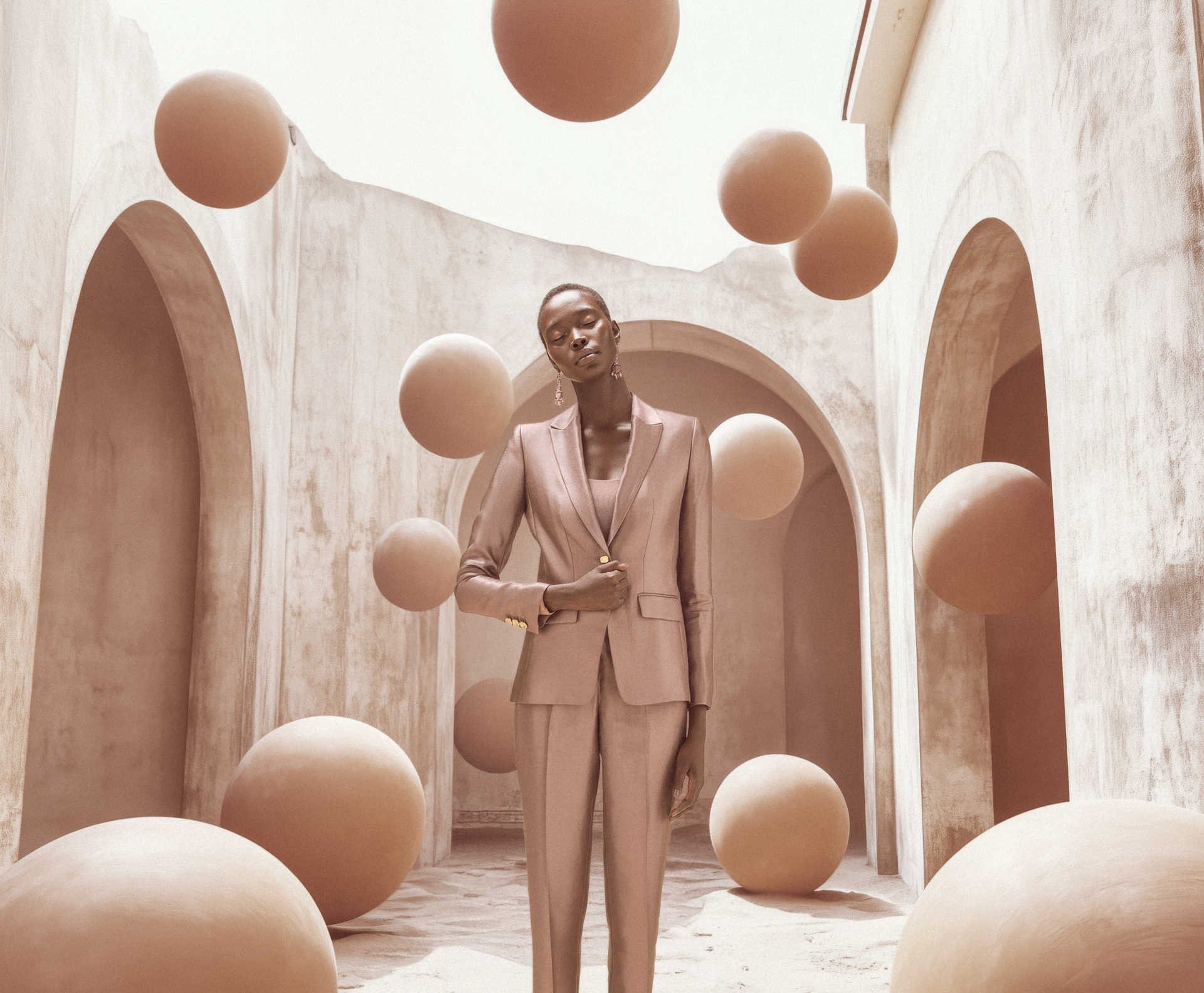 Photo: Lindsay Adler
These choices inform her studio setup – modifier, placement, fill, and color. For this setup, the dominant light source was a Profoto D2 paired with a large Profoto Umbrella Deep White and diffusion, giving her a soft quality of light that simulated what she asw in the AI scene. To complete the look, she added V-flats to bounce the light back into the subject, creating soft, non-directional fill to mimic how light would naturally scatter in the environment.
Without this attention to detail, the final image falls flat.
Studying the light is what makes it possible to seamlessly combine AI environments with real-world imagery.
“You can’t skip them.”
Transport your subject anywhere if the light matches
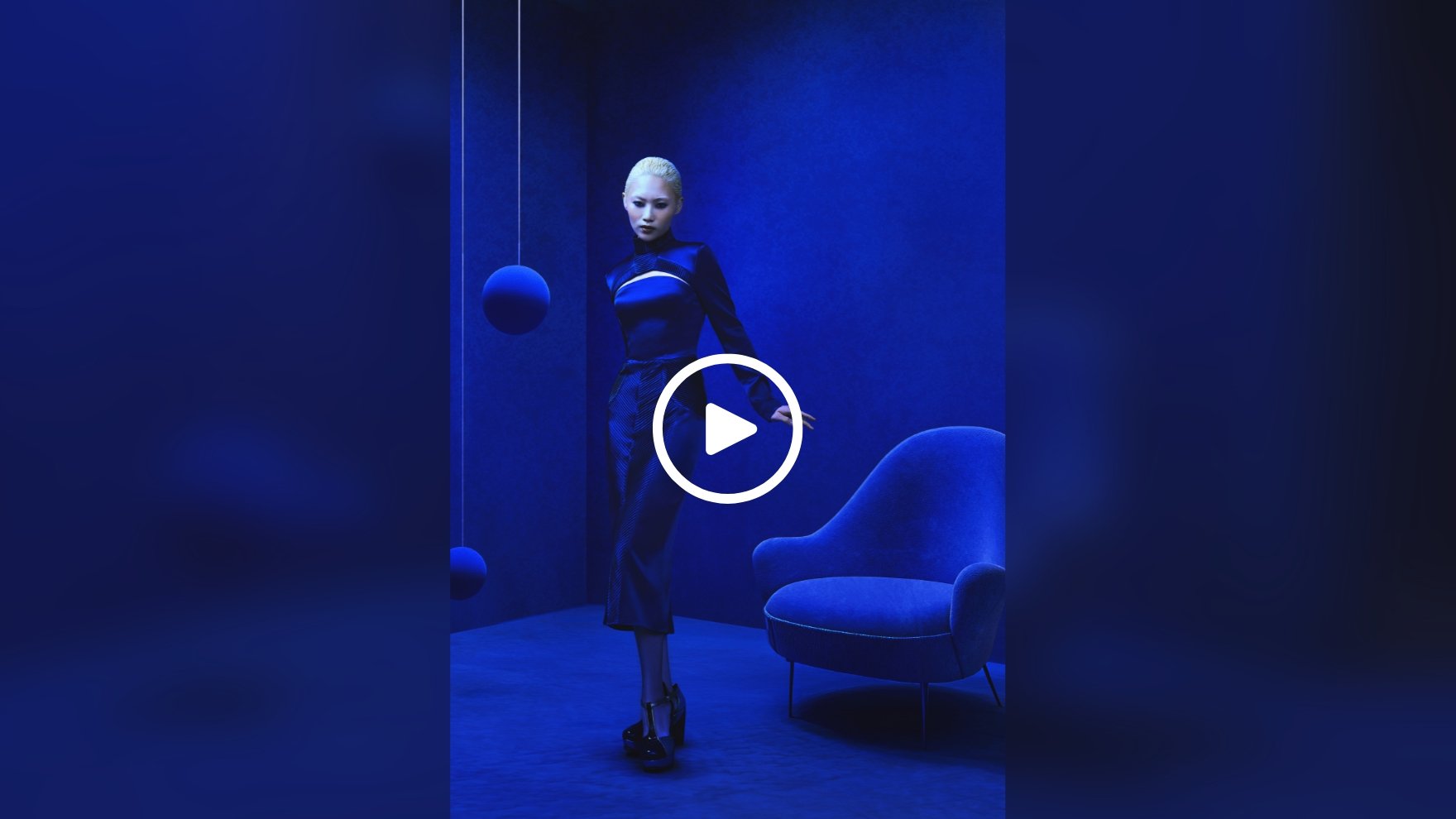
In her third reel, Lindsay showcases how AI allows you to place a subject anywhere in the world – or on an elaborate set, without the expense of travel or production builds.
But making that vision believable depends entirely on how you analyze and match the light in the scene: directionality, quality, color temperature, shadows, and contrast.
 Photo: Lindsay Alder
This process turns AI from a gimmick into a purposeful extension of your lighting skills. For Lindsay, that means studying the scene, then shaping the light with Profoto – for example, using a Profoto Umbrella with diffusion for soft, even light, combined with gels to mimic the cool blue tones of this monochromatic AI background.
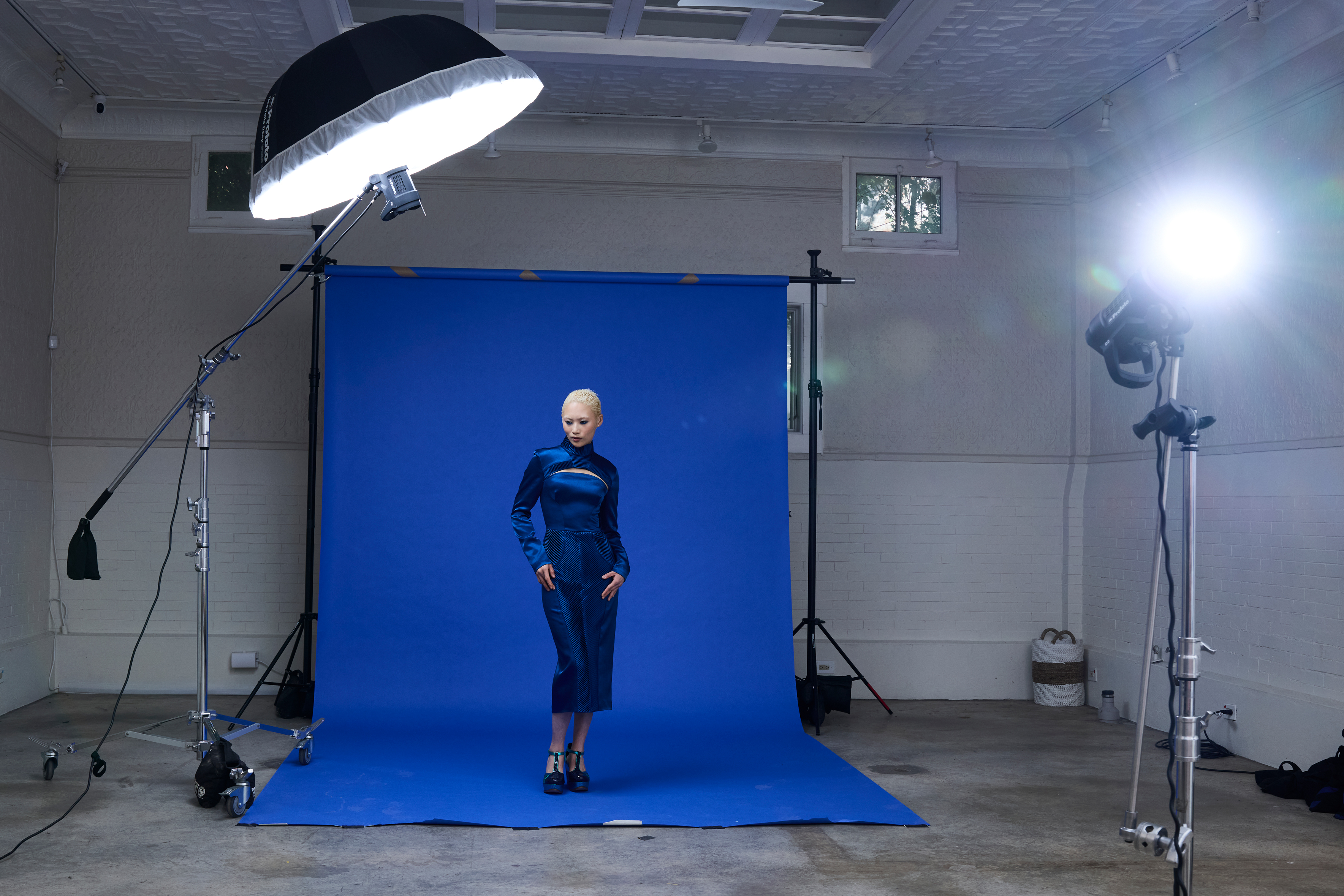 Photo: Lindsay Adler
Her advice? Don’t just use AI to save time – use it to elevate what you already know.
“Plan your light so you can use AI with purpose.”
Why AI still demands real light and the right tools
AI helps Lindsay visualize, pitch, and expand ideas that might otherwise be out of reach for clients due to location or production budget constraints – saving time, cutting costs, and unlocking big creative concepts.
But even with these tools, it’s lighting that brings the image to life.
Whether she’s crafting surreal environments or compositing a subject into an AI scene, she relies on light shaping knowledge to make it believable and Profoto gear to make it possible. Fast recycle times, consistent color, and full creative control help her match the mood and direction of any scene – real or imagined.
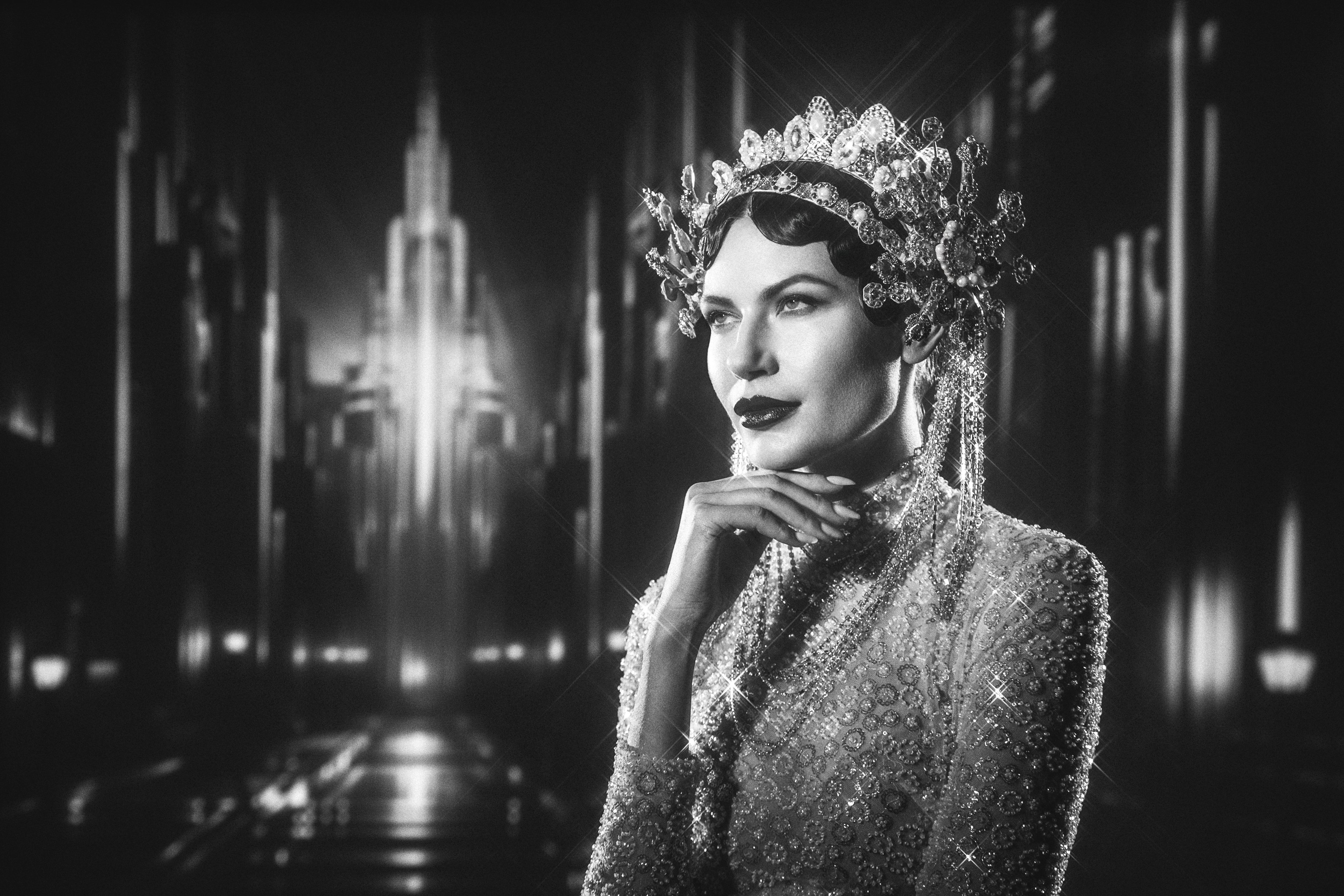 Photo: Lindsay Adler
“AI can assist the vision – but it’s my ability to collaborate with other artists and sculpt the light in real life that makes it believable.”
Let lighting lead
AI might be changing the tools photographers use, but it doesn’t change what makes an image great. Lindsay’s three reels remind us that while technology can enhance, it’s the subject’s emotion, human collaboration, and the lighting knowledge that bring an image to life.
With Profoto, photographers can plan their light, use AI with purpose, and let lighting lead.
To learn more about Lindsay Adlers's work, visit Share the Light and Learn+.