A new generation of lights - Part 1: Why LEDs?
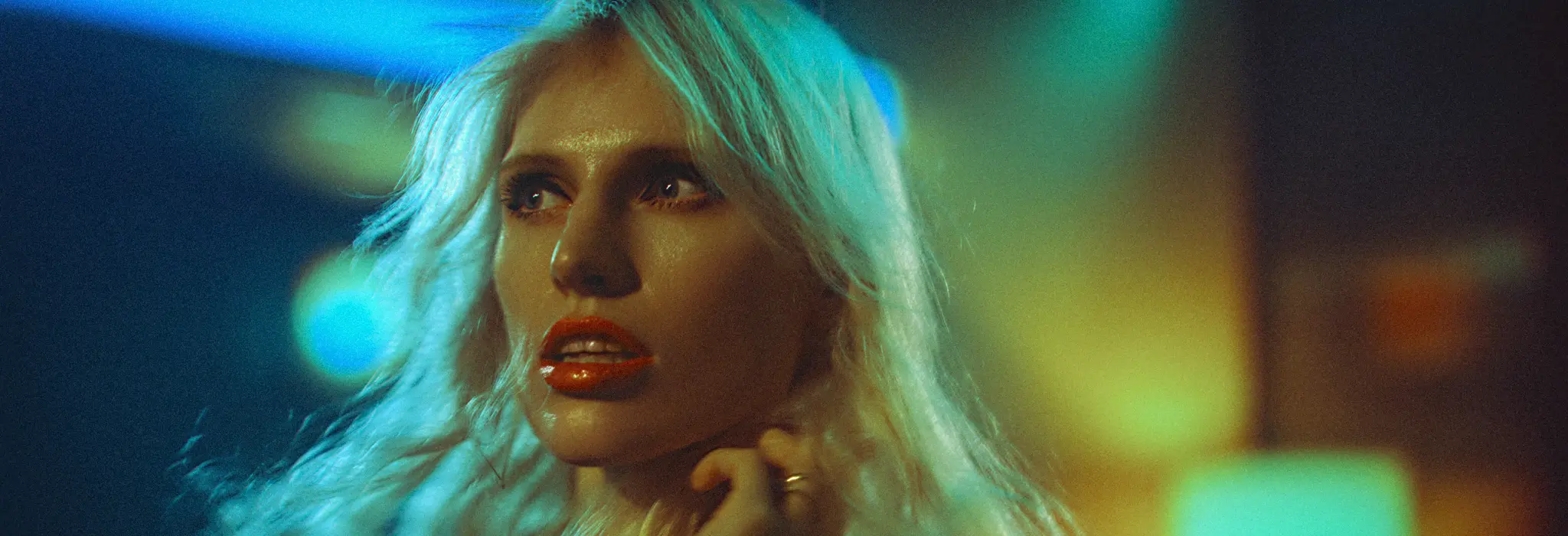
London-based editorial and fashion photographer Jake Hicks has built his reputation on one obsession: bold, vibrant studio portraiture created entirely in-camera.
Worth the wait?
For me, flash is my tool of choice. It’s a tried-and-tested instrument that is like an extension of ourselves. I use them every day, and they can tackle every lighting problem I throw at them. So if flash has everything covered, why am I so excited about LEDs?
Many lighting brands have brought several LEDs to market in recent years, so what’s so special about Profoto’s latest offering? Is it worth the wait?
I’d actually been aware that Profoto had been working developing a new line of LED-products. So to say I was excited to see what they’d come up with would be an understatement. Thankfully, I was not disappointed. Earlier in 2025, Profoto announced two new cinema lights, but these were different to their previous movie-light-monsters. Their new L600D and L600C were noticeably more compact, and these heads seemed far better suited to hybrid work. Sure, these lights could absolutely hold their own on any TV and film set, but they were also small enough to be used in photo studios without the need for a small team just to get one head on a stand!
For clarity, the L600D is the daylight LED head, but it hasn’t got the full RGB spectrum the L600C has. For anyone who’s seen my work before, I’m sure you can guess which light I was excited about testing, and yes, the L600C is the head I finally got to try out recently.
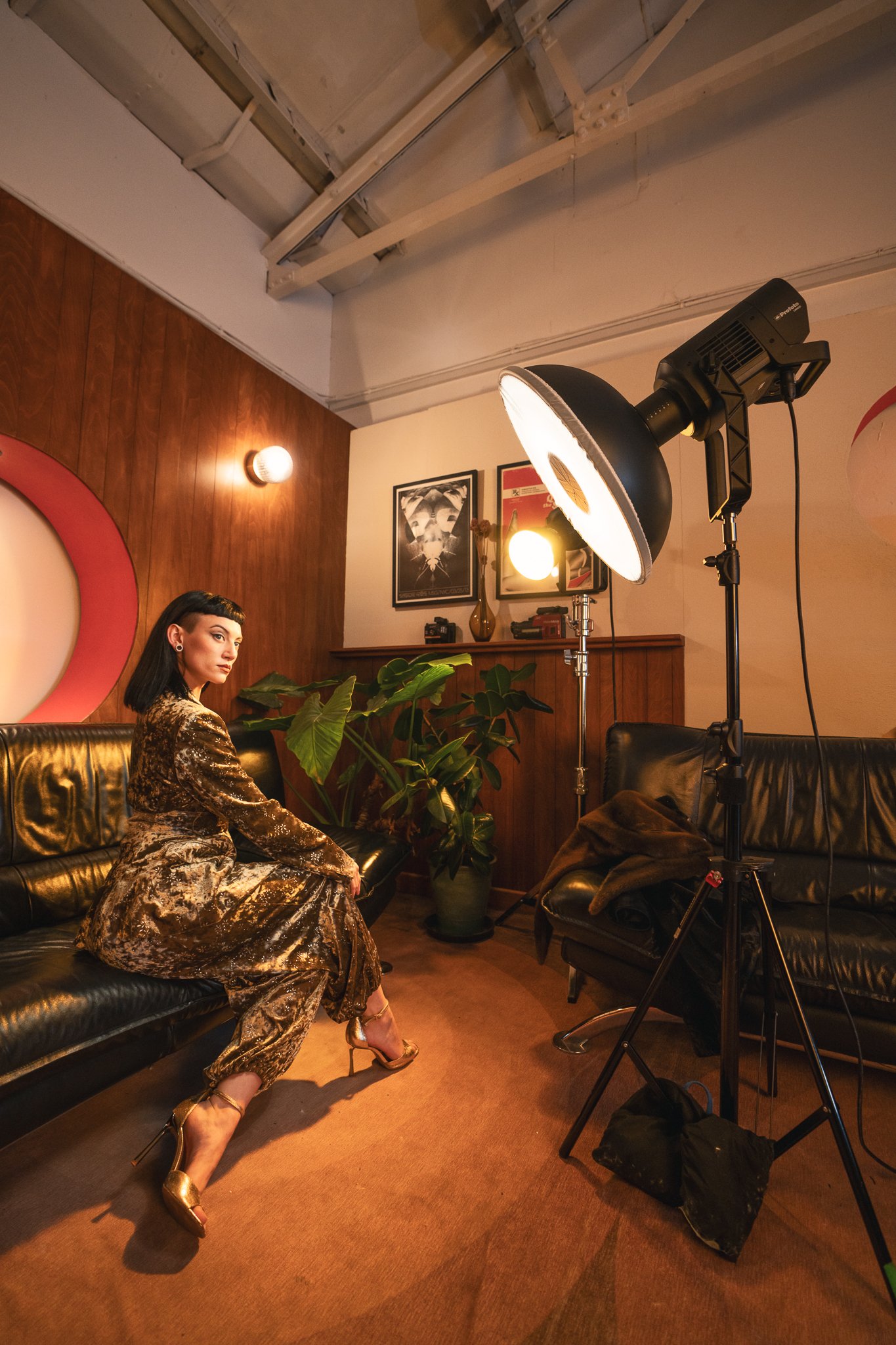
I don’t need any more lights, right?
So, with the Profoto LED prologue out of the way, why am I excited about these new lights and LEDs in general? For context, I’ve been shooting with flash since the late nineties. Flash is absolutely an extension of my arm at this point, so when LEDs were introduced to me by several lighting brands, I was hesitant to say the least. I already have more flashes than I’ll ever need. Flash does everything I want it to, so I don’t need LEDs as well, right?
This was my first mistake. LEDs aren’t simply ‘just another light’; they really do add something unique to my work over flash, it’s just that I didn’t know it yet.
I’d argue many photographers are guilty of making that same assumption. “My current lights are fine, I don’t need to replace them.” This is true, and I didn’t replace my flashes with LEDs. I still have my flashes, and I can easily shoot with them alongside my new LEDs. You have to remember that LEDs have come a very long way in recent years. These new 600w Profoto LED heads are seriously bright. These aren’t the crappy 4w LEDs of years ago, and these new LEDs can easily keep up with and work alongside your current flashes without needing to equip your strobes with welding glass first.
Again, I feel it’s worth reiterating the fact that these new LEDs can work alongside your current flashes. This isn’t a DSLR-to-mirrorless situation, where you had to sell all your old lenses and start again. You can add LEDs to your current lighting lineup one light at a time if you’d like, and then simply introduce LEDs into your setups as you would your older flashes.
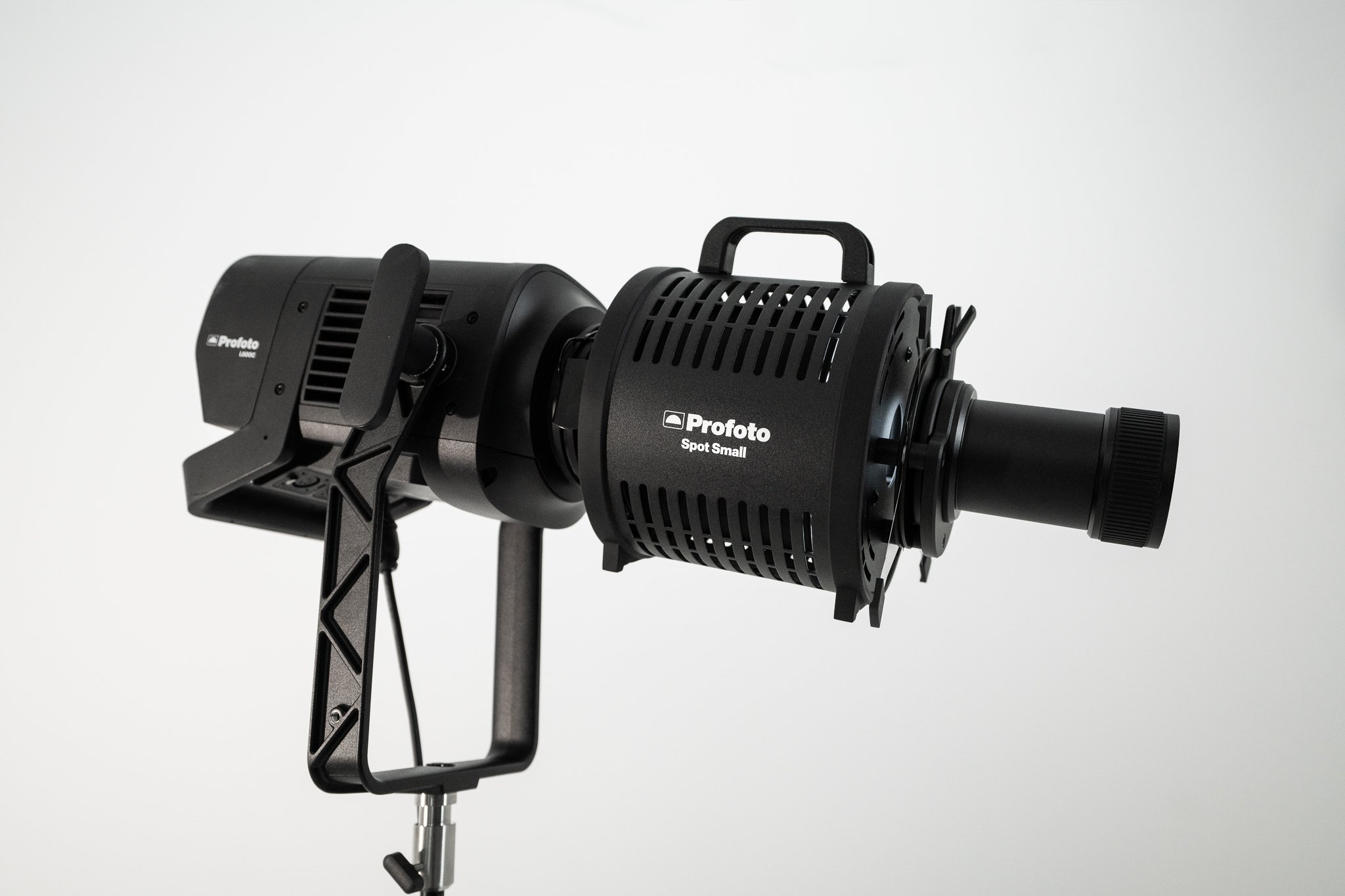
Only use Profoto Spot Small up to 300Ws
Are there any benefits to shooting with LEDs?
This is the part that I’d initially overlooked. Can LEDs really offer me anything different and unique from my flashes? It’s here that I have to avoid sounding like a car salesman, but I’d urge you to look at LEDs with their ‘benefits’ in mind and not just their ‘features’.
Sure, it’s very easy for me to sit here and list off the L600C’s features. The industry-leading TLCI 99 offers unrivalled color consistency. It’s 16 million+ color choices, offering more colors than you could ever need. The liquid cooling in the head eliminates the annoying control box and power brick from dangling around the stand. Flicker-free 16-bit dimming offers flawless control… and this very comprehensive feature list goes on and on, and I can outline the key ones at the end. But these are the features of the light. How do these features of LEDs actually benefit us photographers?
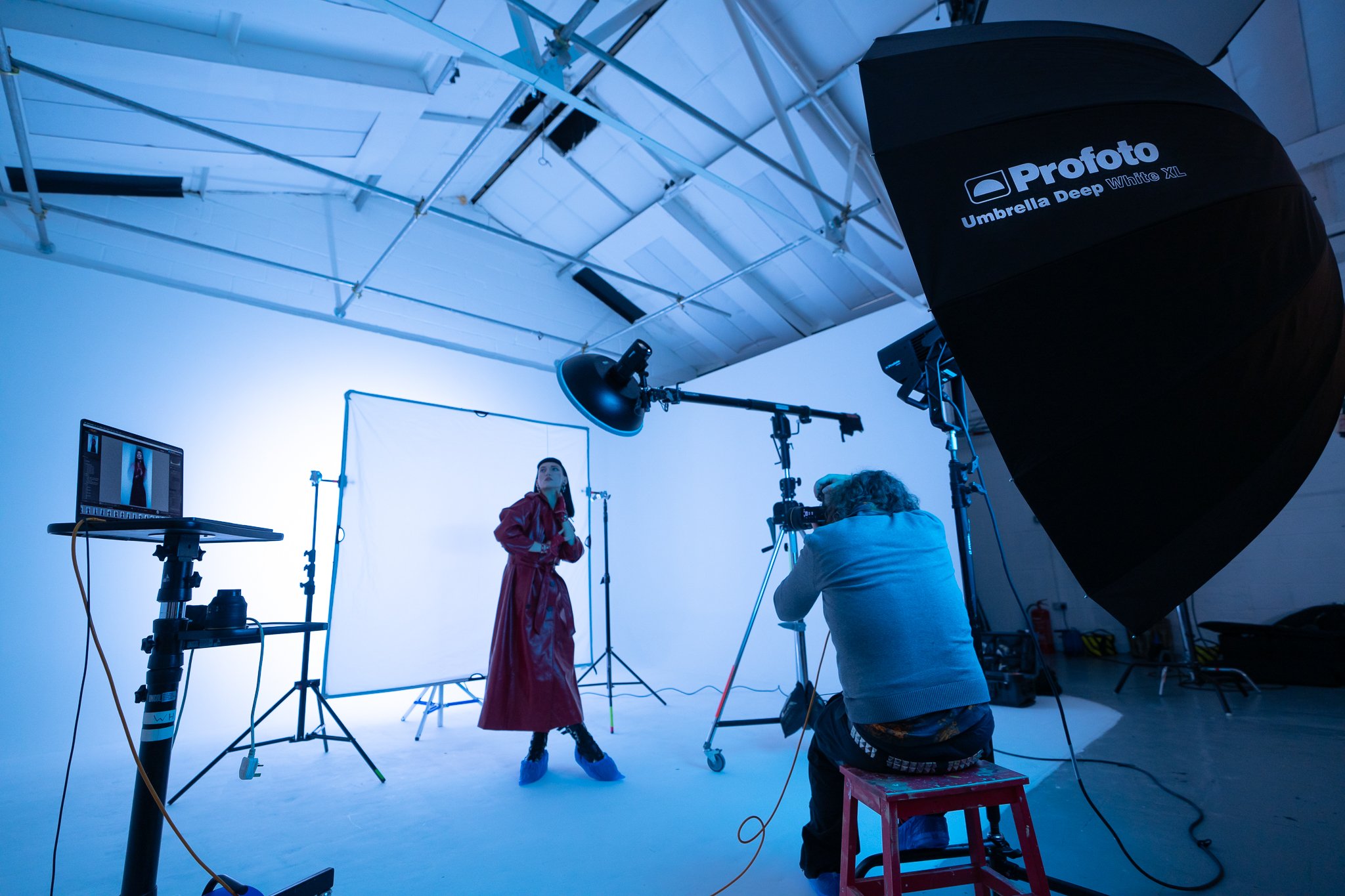
I’m happy with my flash. Aren’t I?
I know for a fact that you’ve all experienced this at some point. That thing you never thought you needed until you had it. Heated car seats. Non-stick baking trays. Dishwashers. And for us old folk, autofocus. These are solutions to problems we didn’t know we had, and this new generation of LED lights is doing precisely that.
For well over a decade, I had a few packs of colored gels with a good mix of colors that I could gaffer tape to my flashes. I was good with that. I had some color temperature gels that I would somehow smother my softbox with. I was good with that. I had a tungsten modelling bulb that wasn’t the same color as my flash, and it melted my gels. But I was good with that.
We’ve been dealing with these inconveniences for so long that we’ve actually forgotten they were a problem.
I don’t need to be a professional salesperson here to demonstrate how LEDs immediately eliminate those ‘inconveniences’.
But if you’re someone who’s happy with manual focus lenses and melting your colored gels, can LEDs offer you and your work anything unique? This is the part that I find fascinating about LEDs. They really can offer us some unique properties that flash simply can’t and most of them, I’d never even thought of until I started playing with them.
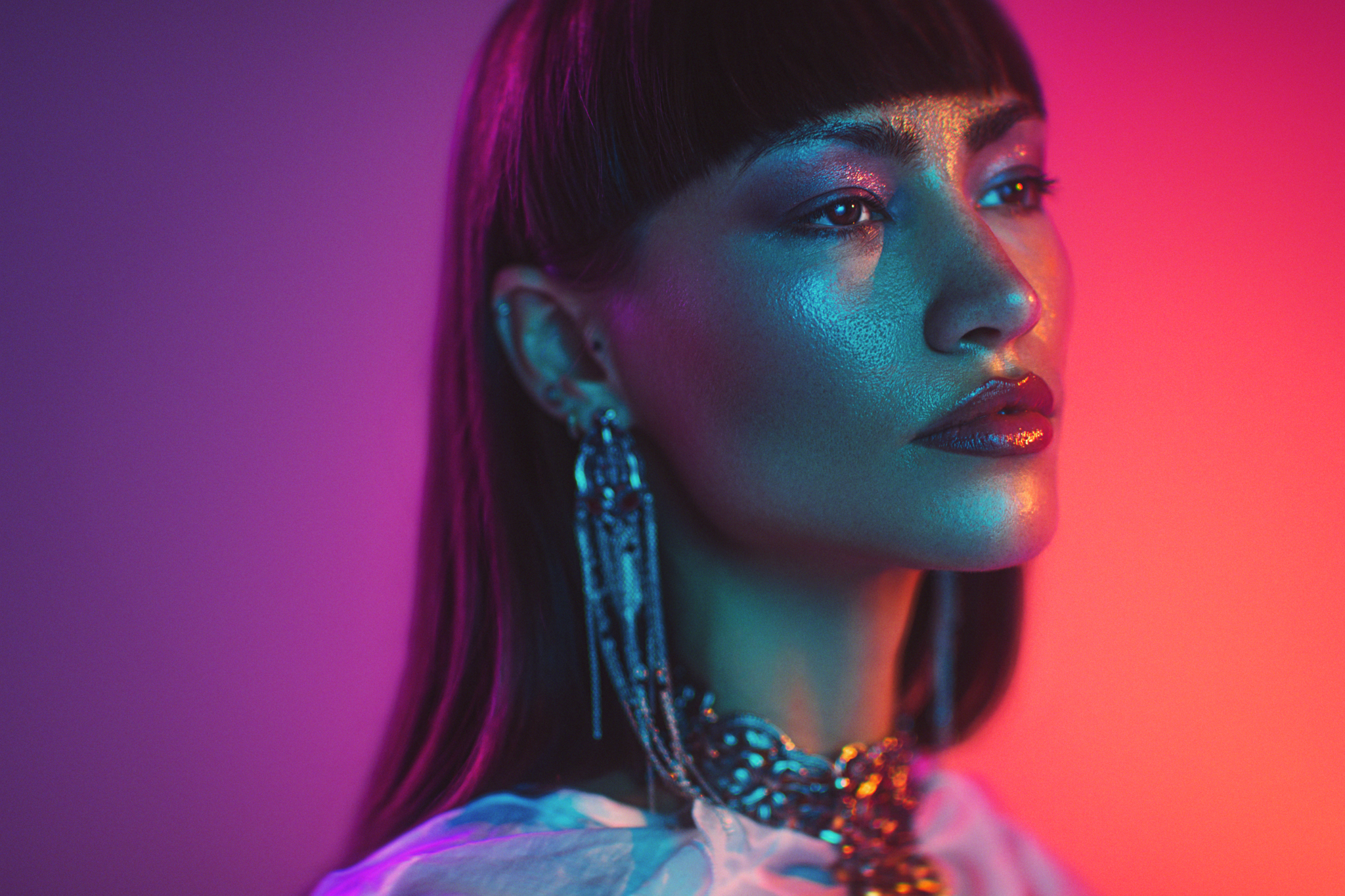
Are hybrid shooters the new photographers?
Many of you know that LEDs are great for hybrid shooters who shoot stills and video. I’ve been a professional photographer for a very long time, but I don’t shoot video. I never have. I don’t have video anywhere on my site. I don’t advertise or promote it. Yet, I still get asked to shoot video. I’ve managed to avoid it so far, as it doesn’t interest me, but clients still ask for it.
Thankfully, I’m established, and if I play my cards right, I could probably skate through the rest of my career without having to shoot portrait orientation videos of a group shot or edit a 15-second reel of a 3-day photoshoot. But I’m old. Do you think a young person entering the industry today will be so lucky? Not a chance. The next generation of photographers will absolutely have to shoot video as well as stills. So, do you think a new photographer will purchase two sets of lights? One set of flashes for stills and one set of LEDs for video? I know you know the answer.
Breathing portraits, Kelvin as a storytelling tool, and 16 million colors — Jake Hicks explores what LEDs let you do that flash simply can't.
From RGB flash to long exposure in a single light — Jake Hicks reveals what makes the L600C unlike anything else on the market.