4 photoshoots with the new Profoto L600C LED
Written by: Jake Hicks

Color is his craftLondon-based editorial and fashion photographer Jake Hicks has built his reputation on one obsession: bold, vibrant studio portraiture created entirely in-camera. Widely recognized as a leader in color gel photography, Jake divides his time between working with commercial clients and teaching his sold-out workshops and his philosophy has always been the same: keep the skill in the camera, not on the screen.
With the Profoto L600C, that philosophy finds its perfect match. A light built for color, creativity, and total control — exactly how Jake works.
I recently had the opportunity to work with one of Profoto's brand-new LED lights. I’ve been working with strobes for over 20 years and only recently started using LED lights in my work, but LED lights have come a very long way in recent years, so I was extremely excited to see what these new heads from Profoto could do.
I’d never used these new heads before, but I’d read the very comprehensive specs sheet and long list of features, so I had a pretty good idea of what I wanted to test and play with.
Huge kelvin range
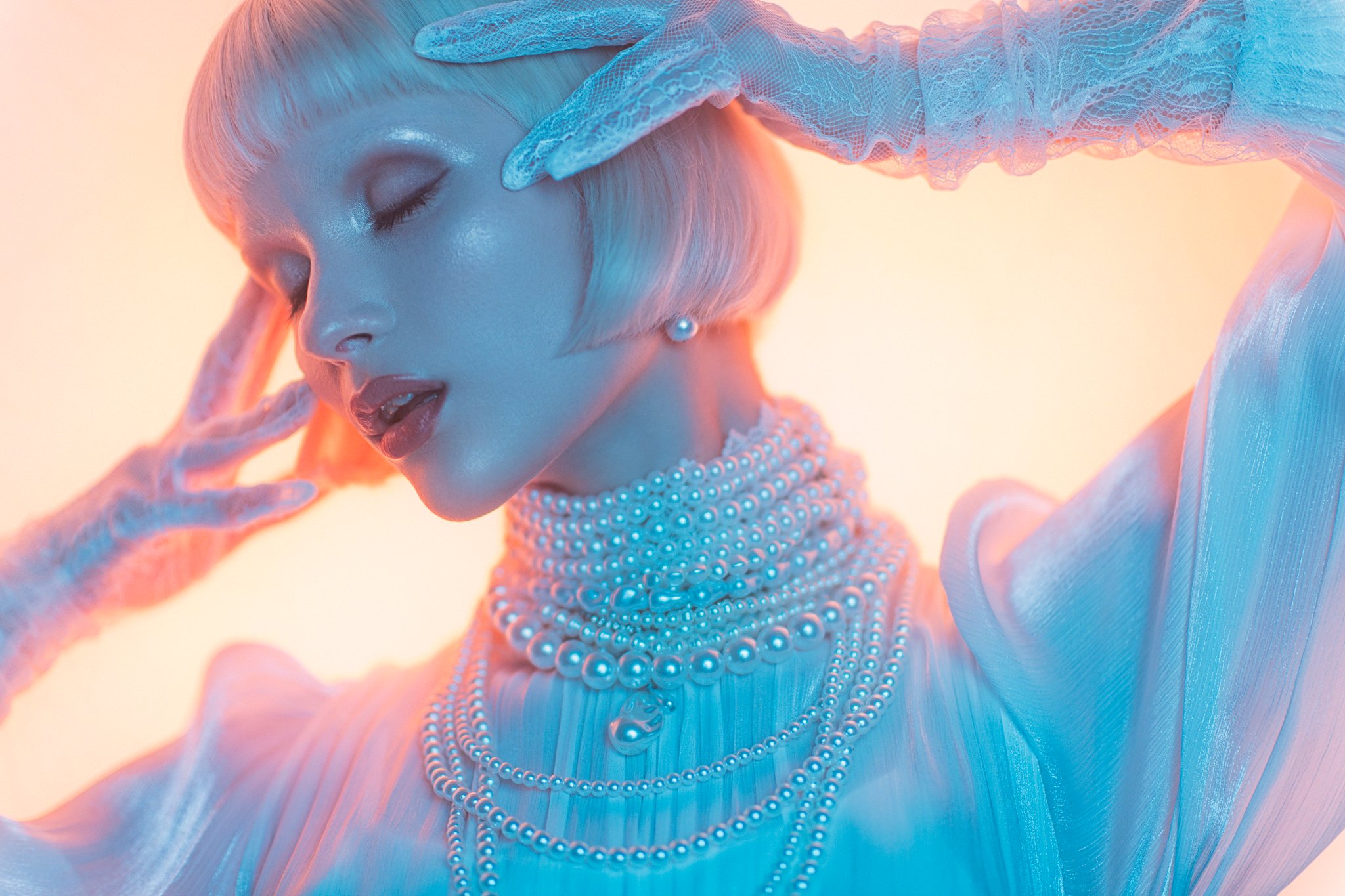
The new L600C is extremely feature-rich. The heads tout a triple white chip that gives it a truly colossal kelvin range from 2000K to 15000K, and although I’ve used a lot of kelvin shifts in my work in the past, I was keen to see just how much color contrast I could achieve with this huge new range.
A lot of colors
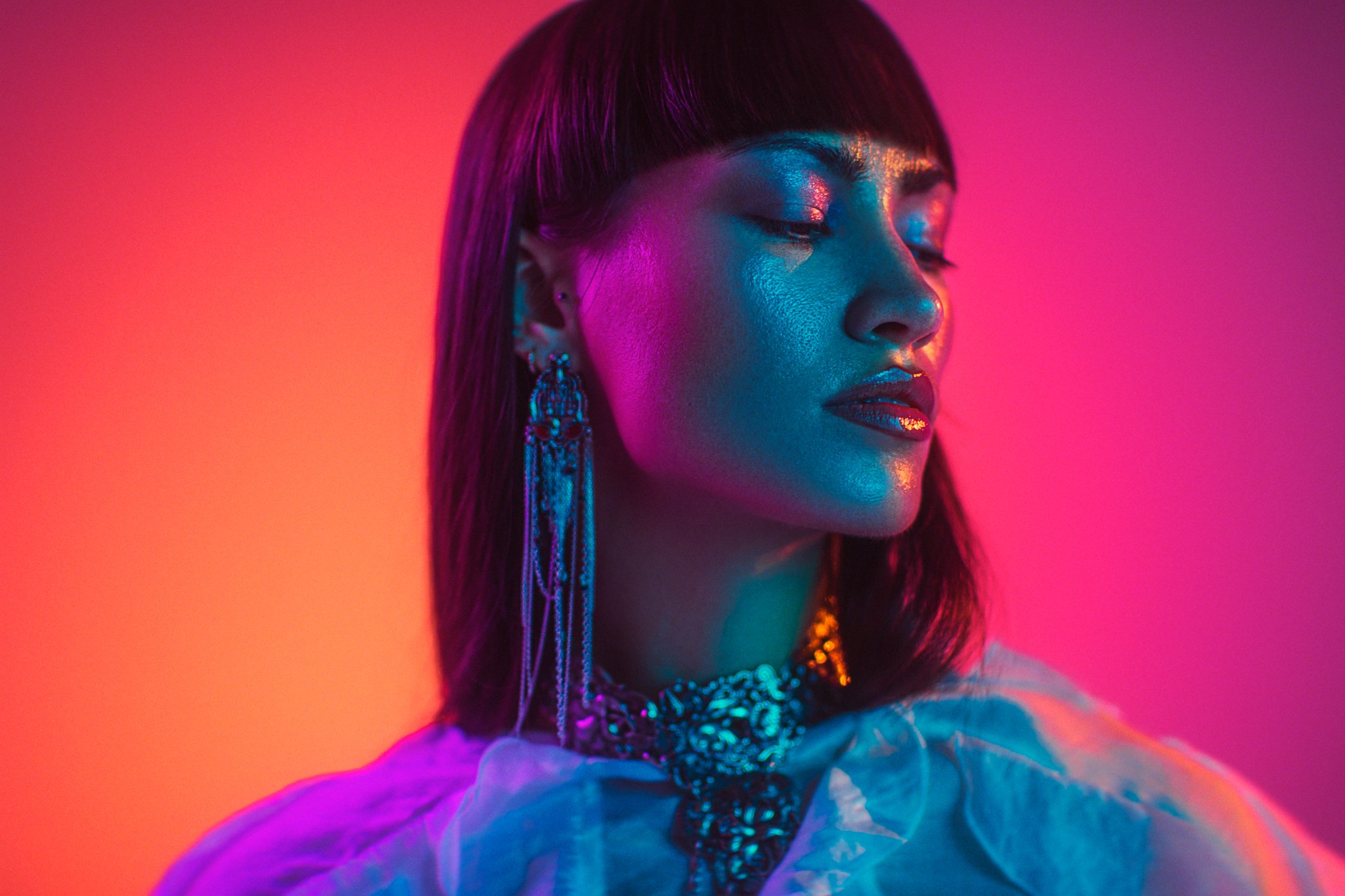
The L600C sports over 16 million colors, and although I love my colored gels, even I only had around 20 colors for my strobes in the past. So, with all these extra colors at my fingertips, I was eager to see what I could pull from these new LED heads.
Continous & flash
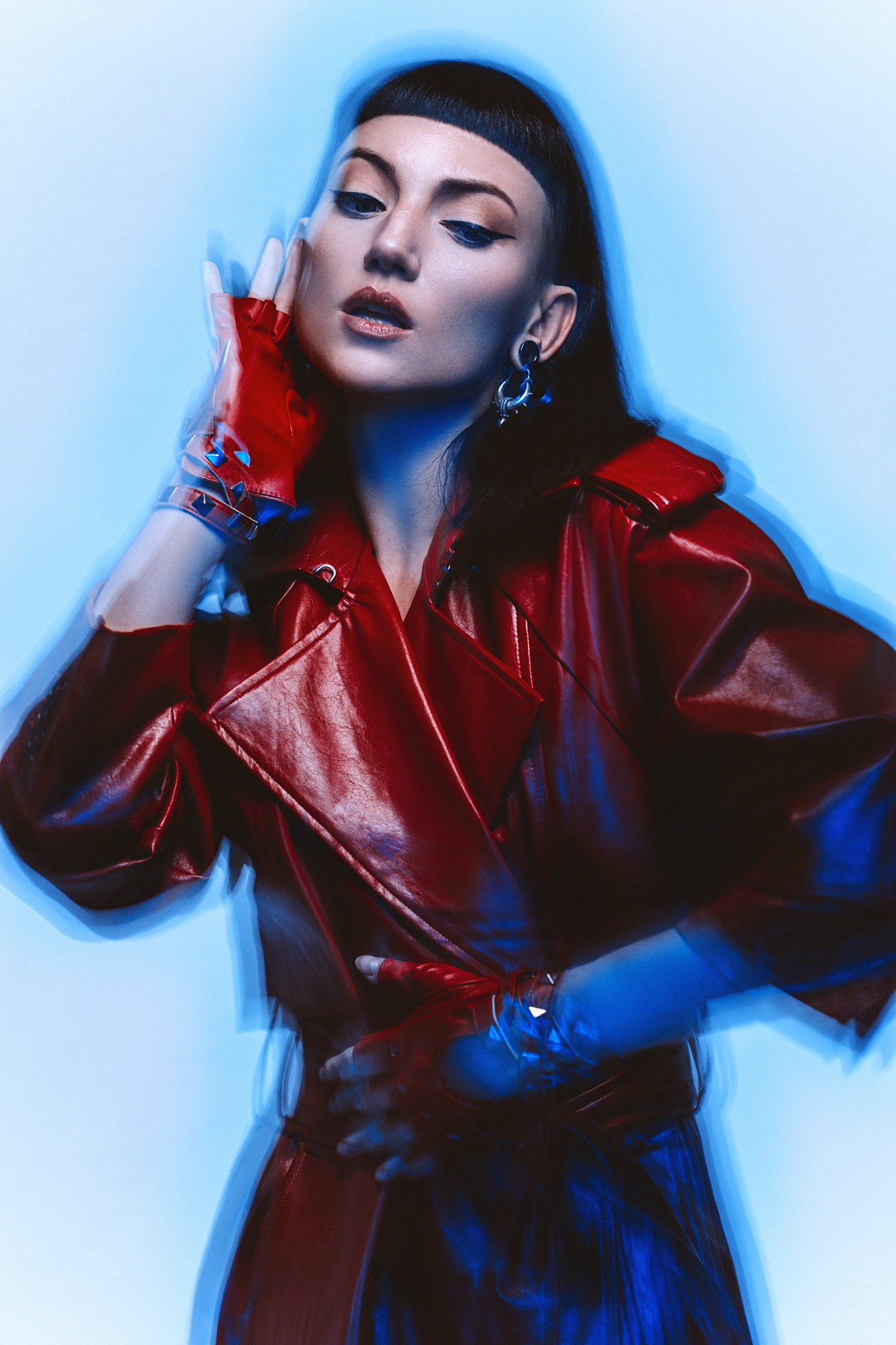
One very interesting feature of these new lights is their ability to flash as well as run in continuous mode. To be clear, this isn't a ‘flash’ in the traditional sense. They don't have any xenon bulbs, but the heads can pulse the LED for a very short duration, thereby simulating a flash. To be clear, this LED pulse doesn’t have anything like the power output of a traditional xenon flash, and although I’ve not tested the flash capabilities of the L600C/D extensively yet, I know that the duration of the pulse is nowhere near as fast as the extremely fast flash durations that are typically as short as 1/4000th of a second. So if you want to freeze motion in razor sharp action shots, you still need to use traditional flashes.
The fact that the L600C/D can pulse like this is a pretty unique feature for LEDs and to my knowledge, the L600C is the only LED in the world that can flash in any of its 16 million+ colors, and it can do so with any of the Profoto light-shaping tools attached. This feature alone is a game-changer for me, so I was extremely excited to try it out.
Environmental lighting
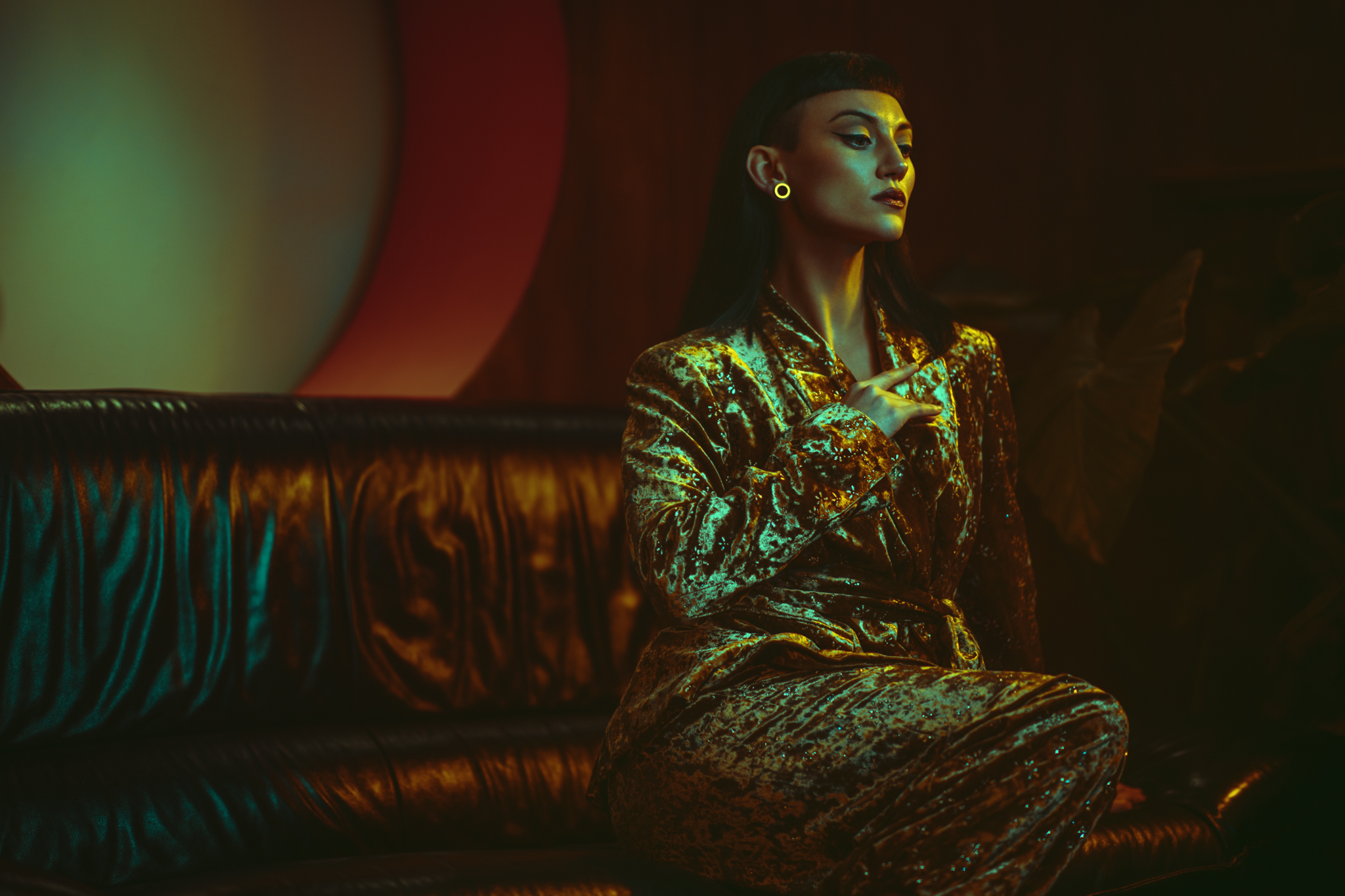
Lastly, I wanted to quickly see how these LEDs would integrate into environmental lighitng. As we know, LEDs are great for video, but with these heads being 600w, they are more than bright enough for us photographers to use as well. That said, adjusting the power of LEDs to work alongside other lighting you may find in the surrounding scene for a more environmental shot is extremely easy. Often, environmental lights are very dim compared to flash, so it can be tricky to mix the two. This felt like a great opportunity to test the new heads alongside some environmental lights I found at the studio.
The setups
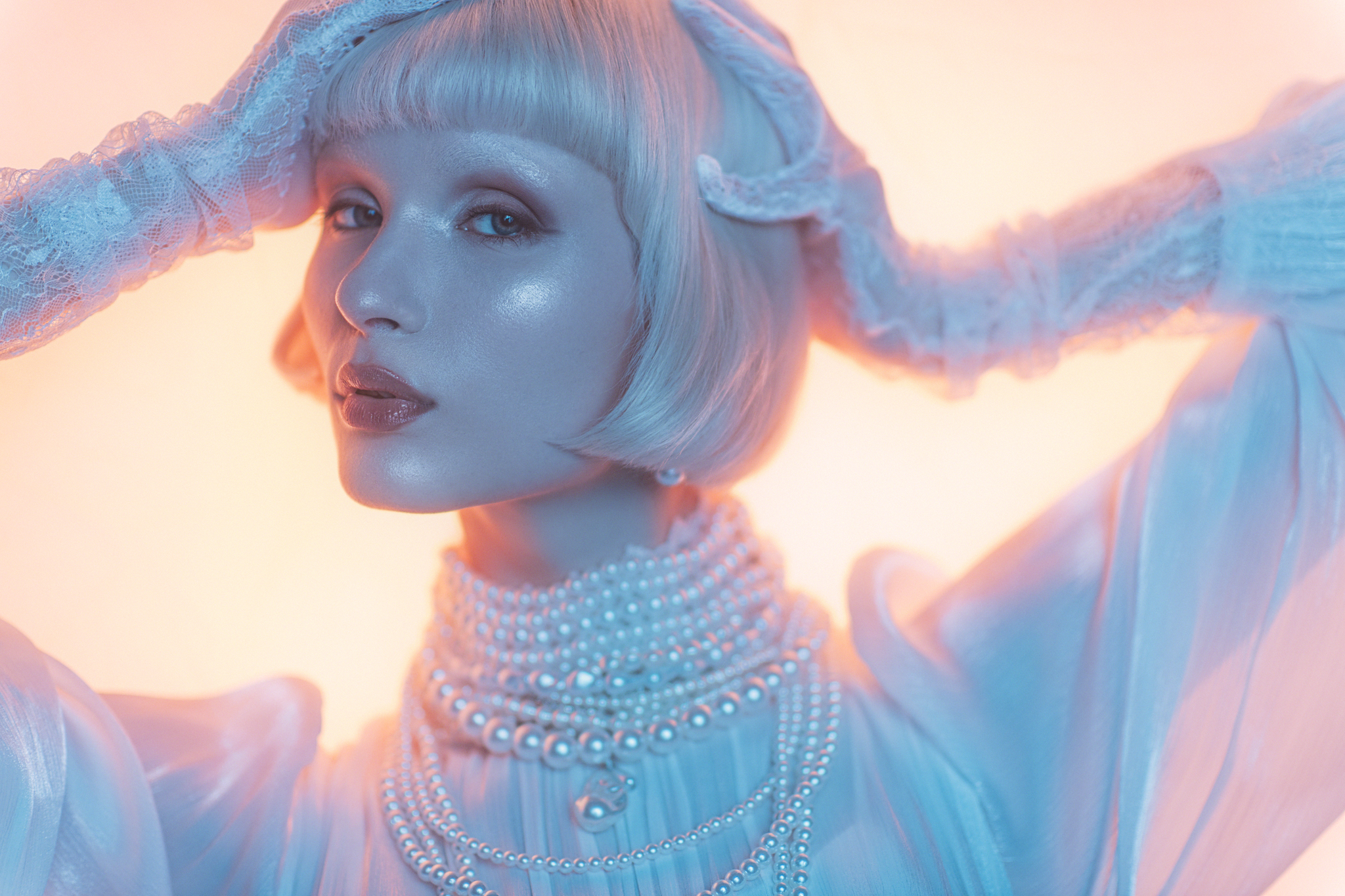
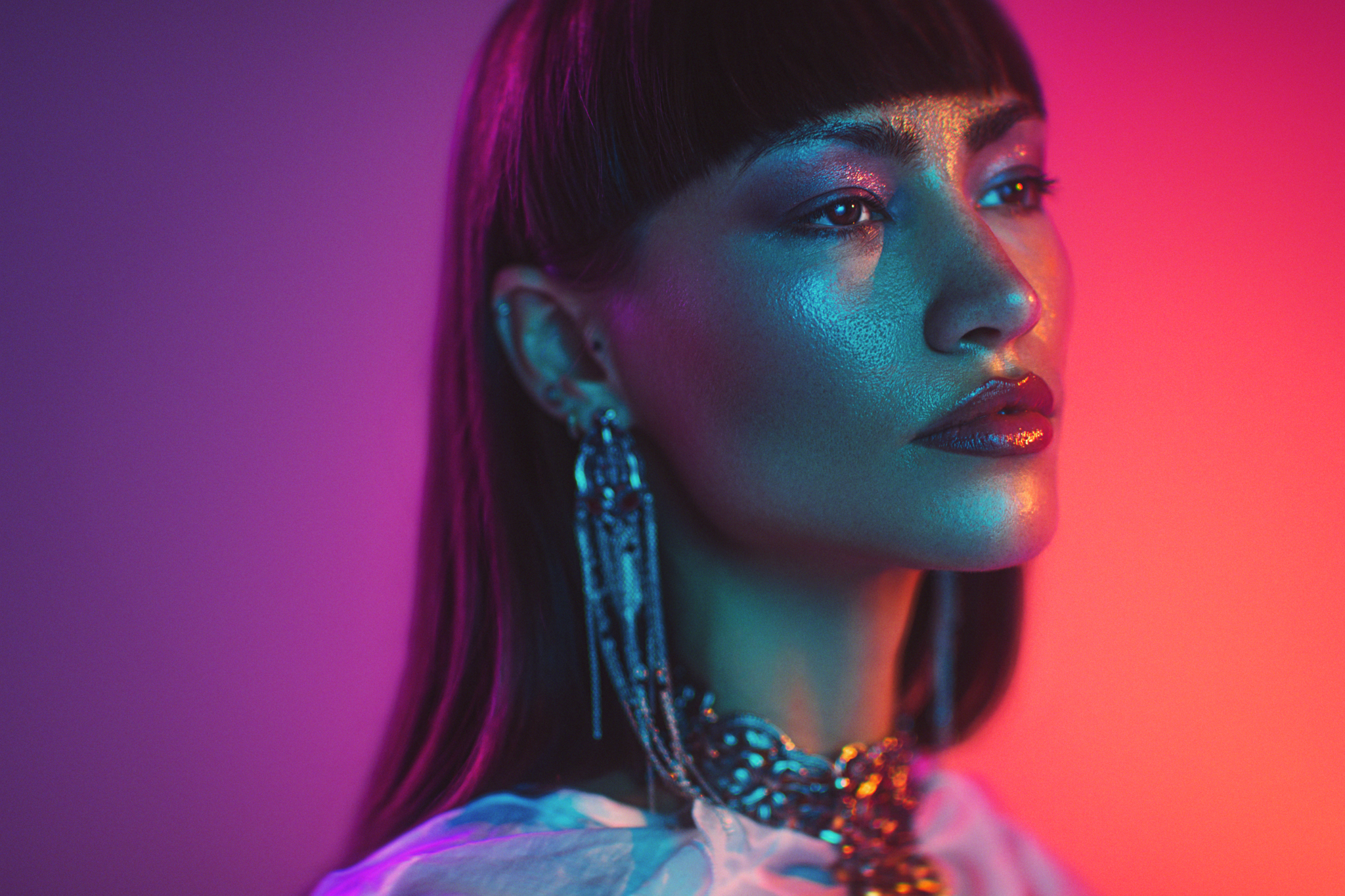

Closing comments
It should be very apparent that these four setups are all extremely different from one another. I shot from clean Kelvin looks to full-color looks; I mixed flash and continuous for long-exposure shots; and, lastly, I quickly set up an environmental scene at the back of the studio. It’s worth noting that I shot all four of these setups alongside a film crew that was filming the whole thing. And they weren’t just a fly-on-the-wall documentary crew either; every setup had to be broken down and explained through talking-to-the-camera segments, and plenty of B-roll shots were captured as well. We did all this in a single day. This isn’t me trying to flex; I just want to highlight how quick and easy these new LED heads are to work with. I’m not struggling with huge LED lights and their accompanying power-bricks and control boxes. I’m not struggling with trying to gaffer tape a CTO gel to my softbox. I’m not struggling to set up multiple lights for both flash and continuous lighitng. We got all of this done in a day, and a large part of this is thanks to how easy and convenient these new L600 LED heads are.
The L600C is a best-of-both solution to so many of my shoots. They have the ease of use that millions of colors and a vast Kelvin range offer over faffing with gels, they are very quick and easy to use, thanks to their single monobloc design that many strobists like me are used to, their 600w of power is more than enough power for most studio shoots and I think I was only using them at between 30% and 50% power for many of the shots on the day.
Plus, these new LED heads can flash, and they can do so with all the conveniences and benefits that LEDs offer, like all the colors and Kelvin settings, and, more importantly, they can do all this whilst accepting any of the Profoto light shaping tools. Meaning it's just as easy to shoot with all these lighting benefits with softlight, like a softbox, or a hardlight, like a spot. This convenience, flexibility, and power are an industry first, though I can see it quickly becoming an industry standard for how comprehensive these new lights are.